
Essential Factors Influencing EV Charger Installation Cost in the UK 2026

Electric vehicles (EVs) are becoming a common sight on UK roads, and with this rise comes the growing need for convenient and efficient charging solutions at home and work. Installing an EV charger is a smart investment, but understanding the costs involved can be confusing. This guide breaks down the key factors that influence the cost of EV charger installation in the UK in 2026, helping you make an informed decision.
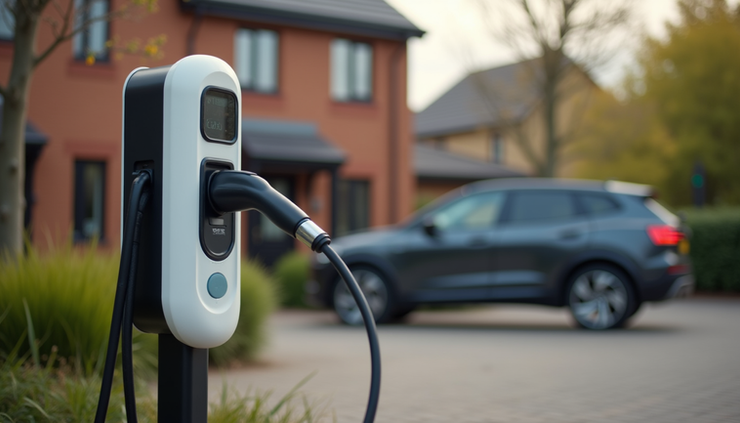
Types of EV Chargers and Their Impact on Installation Cost
The type of charger you choose significantly affects the overall installation cost. Chargers vary in power output, installation complexity, and price.
Slow Chargers (3-7 kW)
These are basic chargers suitable for overnight charging. They usually cost less to install because they require minimal electrical upgrades. Typical prices range from £300 to £600 for the unit, with installation adding £200 to £400.
Fast Chargers (7-22 kW)
Fast chargers reduce charging time and are popular for home and workplace use. The units cost between £500 and £1,200. Installation can be more expensive, often between £400 and £800, especially if electrical upgrades are needed.
Rapid Chargers (43 kW and above)
These are usually found in commercial or public locations due to their high power and cost. Installation costs can exceed £2,000 because of the need for significant electrical infrastructure changes.
Choosing the right charger depends on your vehicle, driving habits, and budget. For most homeowners, a fast charger offers a good balance between cost and convenience.
Electrical Infrastructure and Its Role in Cost Variation
The condition and capacity of your home’s electrical system play a major role in installation costs.
Existing Electrical Capacity
Homes with modern electrical panels and sufficient capacity can often install chargers with minimal upgrades. Older properties may require a new consumer unit or additional wiring, which can add £500 to £1,500 to the cost.
Distance from Electrical Supply
The location of your charger relative to your electrical supply affects the amount of cabling and labour needed. Longer distances increase material and labour costs.
Earthing and Safety Requirements
Proper earthing and compliance with UK electrical safety standards are mandatory. If your property lacks adequate earthing, additional work will be necessary, increasing costs.
Labour and Professional Installation Fees
Hiring a certified electrician is essential for safe and compliant installation. Labour costs vary depending on location and complexity.
Standard Installation
For straightforward installations, expect to pay between £200 and £600 in labour fees.
Complex Installations
If your property requires electrical upgrades, trenching, or installation in hard-to-reach areas, labour costs can rise to £1,000 or more.
Certification and Inspection
After installation, electricians provide certification confirming compliance with regulations. This service is usually included but may add a small fee.
Government Grants and Incentives Affecting Net Cost
The UK government supports EV adoption through grants that can reduce installation costs.
Electric Vehicle Homecharge Scheme (EVHS)
This scheme offers up to £350 towards the cost of installing a home charger for eligible applicants. It covers both the charger and installation but has specific eligibility criteria.
Workplace Charging Scheme (WCS)
Businesses can claim up to £350 per socket for installing EV chargers at workplaces, reducing upfront costs.
Local Authority Incentives
Some councils offer additional grants or discounts. Checking with your local authority can uncover extra savings.
Applying for these grants requires meeting certain conditions, such as using approved installers and equipment.
Location and Regional Cost Differences
Installation costs vary across the UK due to differences in labour rates, local regulations, and demand.
London and Southeast England
Higher labour costs and demand often push prices above the national average.
Northern England, Scotland, and Wales
Labour costs tend to be lower, which can reduce installation expenses.
Remote or Rural Areas
Additional travel and logistics can increase costs, especially if specialist equipment is needed.
When budgeting, consider local market conditions and obtain multiple quotes.
Additional Costs to Consider
Beyond the charger and installation, some other expenses may arise.
Upgrading Electrical Supply
If your home’s supply is insufficient, upgrading to a higher capacity may be necessary. This can cost £1,000 or more.
Smart Features and Connectivity
Chargers with Wi-Fi, app control, or load balancing features may cost more upfront but offer long-term benefits.
Maintenance and Warranty
Some installers offer maintenance packages or extended warranties, which add to the initial cost but provide peace of mind.
Practical Example of Installation Cost Breakdown
To illustrate, here is a typical cost breakdown for installing a 7 kW fast charger in a suburban UK home with a modern electrical system:
| Item | Estimated Cost (£) |
|------------------------------|--------------------|
| Charger unit | 600 |
| Labour and installation | 400 |
| Electrical upgrades | 0 (not required) |
| Certification | Included |
| Total | 1,000 |
If electrical upgrades are needed, add approximately £1,000, bringing the total to around £2,000 before any grants.
How to Choose the Right Installer
Selecting a qualified and experienced installer ensures safety and compliance.
Check Accreditation
Look for installers registered with the National Inspection Council for Electrical Installation Contracting (NICEIC) or similar bodies.
Read Reviews and Get Quotes
Obtain at least three quotes and compare services, warranties, and customer feedback.
Ask About Aftercare
Confirm what support and maintenance services are offered post-installation.
Preparing Your Home for Installation
Before installation, consider these steps to streamline the process:
Assess Your Electrical Panel
Have an electrician inspect your system to identify potential upgrades.
Choose Charger Location
Pick a convenient and accessible spot, ideally close to your electrical supply.
Check for Planning Permission
Most home installations do not require permission, but check with your local council if unsure.
Apply for Grants Early
Submit applications before installation to ensure eligibility for discounts.


Comments